
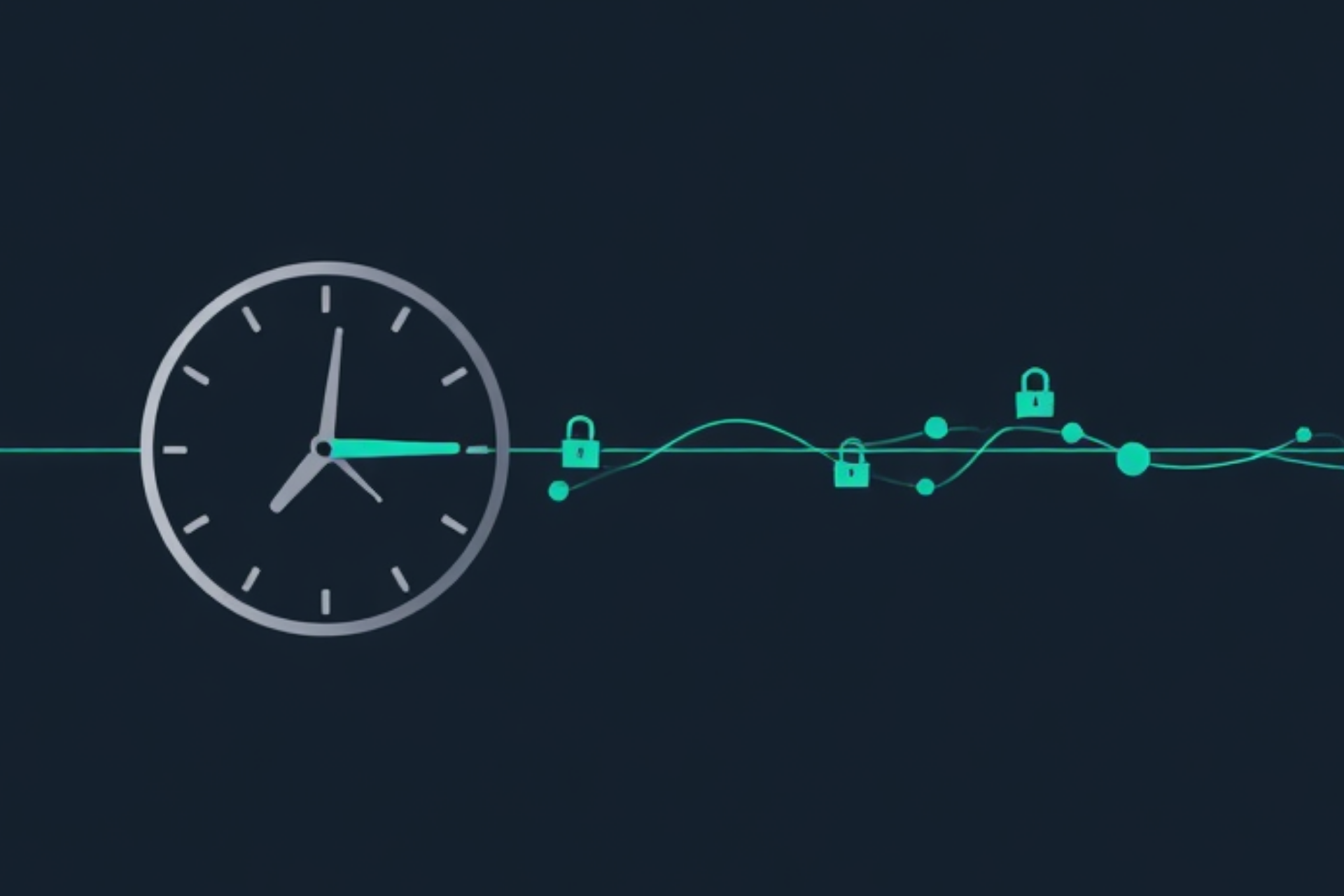
Most IT teams have done the work. Controls are in place. Assessments have been completed. Maturity levels have been documented.
The question that’s harder to answer is whether the assessment model being used is actually capable of keeping up with the environment it’s meant to reflect.
Point-in-time security assessments – quarterly reviews, annual audits, periodic reporting cycles – were designed for environments that changed slowly. Today’s environments don’t. And the limitations of that model are where the real risk sits.
The Problem With Point-in-Time Security Assessment Models
A completed assessment is valuable at the moment it’s finalised. The problem is what happens next.
Modern IT environments are distributed across cloud infrastructure, on-premises systems, and SaaS applications. They change constantly – new workloads deployed, configurations updated, access privileges modified. The assessment completed last quarter was accurate then. Whether it reflects your environment today is a different question.
For IT and risk leaders accountable for security outcomes, that distinction matters. Decisions made on the basis of a point-in-time assessment are decisions made on historical data – not a current view of risk.
This isn’t a criticism of the teams doing the work. It’s a structural limitation of the assessment model itself.
Why This Is Harder to See Than It Sounds
The challenge isn’t that IT teams aren’t doing the work. Most are. The challenge is that modern environments don’t hold still long enough for periodic assessment to keep up.
In this context, the limitations of point-in-time security assessments become operational problems:
- Unmonitored windows of exposure between review cycles
- Delayed awareness of emerging risk
- Decisions made on information that may no longer be accurate
What a More Current Approach Looks Like
Leading organisations are moving from point-in-time assessment toward continuous evaluation of their security posture. Rather than reviewing the environment periodically, a continuous approach monitors changes as they occur, reassesses risk dynamically, and maintains an up-to-date understanding of what’s actually in the environment.
It’s not about collecting more data. It’s about maintaining an accurate picture of risk – at all times, not just at the point of the last review.
When posture is assessed continuously, three things shift:
- Exposures are identified as they emerge, not weeks later
- Risk is evaluated in context, enabling focused action rather than alert fatigue
- Reporting to leadership reflects the environment as it is now, not as it was
What This Means in Practice
Effective posture assessment answers three questions – and answers them continuously:
- What has changed in the environment?
- Does that change introduce risk?
- What should we do about it?
Without continuous assessment, these questions are only answered periodically. The gaps in between are where the most consequential exposures tend to sit undetected.
This isn’t a tooling decision. It’s an operating model shift – one that moves IT and risk leaders from reactive to current.
Organisations that continue relying on periodic assessments will always be working from outdated information. Those that move toward continuous evaluation gain something more valuable: an accurate, real-time understanding of risk that reflects the environment as it actually is.
If you are ready to move beyond periodic assessments and want to understand what continuous security posture looks like in practice, get in touch with our team.